Silver Fiber Fabric: Flexible Conductive and Electromagnetic Shielding Textile
In today’s technology-driven world, textiles are evolving beyond traditional clothing and decorative applications. Silver Fiber Fabric combines the flexibility and comfort of textile materials with the electrical conductivity and shielding properties of silver fiber. It is an advanced material designed for applications requiring conductivity, anti-static performance, and electromagnetic interference (EMI) shielding.
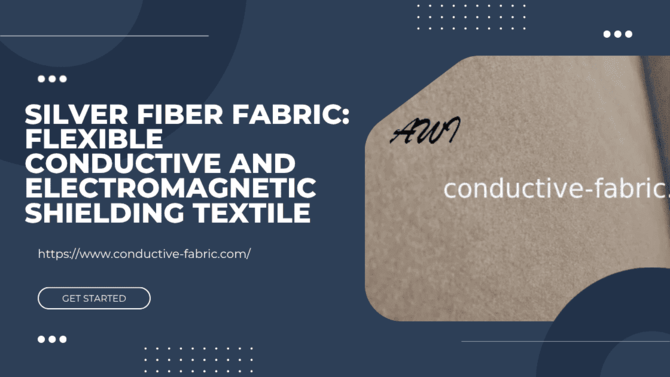
Conductive-Fabric.com offers premium silver fiber fabric designed for a wide range of protective, industrial, electronic, and smart textile applications. Its flexible construction makes it suitable for products where both textile comfort and reliable electrical performance are important.
What Is Silver Fiber Fabric?
Silver Fiber Fabric is a textile manufactured using conductive silver fibers or silver-coated fibers integrated into the fabric structure. The resulting material provides electrical conductivity across the textile surface while maintaining the flexibility expected from conventional fabrics.
Unlike rigid conductive materials, silver fiber fabric can be cut, sewn, folded, and incorporated into various textile products. This makes it especially useful for wearable and flexible applications.
Key Features of Silver Fiber Fabric
Excellent Electrical Conductivity
Silver is highly conductive, making silver fiber an effective choice for textile applications requiring conductive pathways or surface conductivity. Depending on the fabric construction and specifications, it can be incorporated into grounding, sensing, shielding, and other conductive textile solutions.
Electromagnetic Shielding
Silver fiber fabric can be used as a component in EMI and electromagnetic shielding products. When properly designed and incorporated into a finished product, conductive fabric can help reduce electromagnetic interference across specified frequency ranges.
This makes it useful for shielding enclosures, protective garments, electronic equipment covers, bags, and other specialized products.
Anti-Static Performance
The conductive characteristics of silver fiber fabric can help dissipate static electricity. This makes conductive textiles useful in applications where controlling electrostatic charge is important.
Flexible and Lightweight
Silver fiber fabric retains the flexible characteristics of textile materials. It can be processed into garments, covers, liners, pouches, and other textile structures without the rigidity associated with metal sheets or conventional conductive components.
Suitable for Smart Textiles
Conductive fabrics are increasingly used in smart textile technology. Silver fiber fabric can serve as a conductive textile component for wearable electronics, textile sensors, interactive garments, and other emerging applications.
Applications of Silver Fiber Fabric
Silver fiber fabric can be used across many industries and product categories.
1. Protective Clothing
Conductive silver textiles can be incorporated into specialized protective clothing where conductivity, static control, or electromagnetic shielding is required. Depending on the design, fabric can be used for garments, gloves, liners, and other textile components.
2. EMF and EMI Shielding Products
Silver fiber fabric is suitable for manufacturing various shielding products, including:
- EMF shielding garments
- Shielding blankets
- Protective covers
- Shielding bags and pouches
- Electronic equipment enclosures
- Conductive textile panels
The actual shielding effectiveness depends on factors such as fabric construction, frequency range, seams, closures, grounding, and the design of the finished product.
3. Anti-Static Textiles
In environments where static charge needs to be controlled, conductive fabric can be incorporated into anti-static clothing, workwear, packaging materials, and textile components.
4. Smart Textiles
Silver fiber fabric is also suitable for advanced textile applications. Its conductivity allows designers and engineers to integrate electrical functionality into flexible textile structures.
Potential applications include wearable sensors, conductive interfaces, heating textiles, and experimental electronic textiles.
5. Conductive Components
The fabric can be incorporated into products that require a flexible conductive surface or textile-based electrical connection. It provides an alternative to rigid conductive materials in applications where flexibility is essential.
Advantages Over Conventional Conductive Materials
One of the major benefits of silver fiber fabric is its combination of electrical functionality and textile flexibility.
Traditional metal shielding materials can be rigid, heavy, or difficult to integrate into clothing and flexible products. Silver fiber textiles provide a more adaptable format that can be processed using many conventional textile techniques.
This makes them particularly attractive for wearable products and applications in which comfort, flexibility, and ease of fabrication are important.
Choosing the Right Silver Fiber Fabric
The ideal fabric depends on the requirements of the finished product. When selecting silver fiber fabric, manufacturers should consider:
- Silver fiber composition
- Fabric construction
- Electrical resistance
- Shielding effectiveness
- Required frequency range
- Fabric weight and thickness
- Flexibility
- Mechanical durability
- Sewing and processing requirements
- Intended environmental conditions
For specialized shielding applications, testing the complete finished product is important because fabric performance alone does not always represent the shielding performance of the final garment or enclosure.
Why Choose Conductive-Fabric.com?
Conductive-Fabric.com focuses on conductive textile solutions for electromagnetic shielding, anti-static applications, and advanced textile products. Its silver fiber fabric provides manufacturers and product developers with a flexible material option for developing innovative conductive and shielding solutions.
Whether you are developing protective clothing, EMF/EMI shielding products, smart textiles, or custom conductive components, silver fiber fabric can provide a practical textile-based platform for integrating electrical functionality.
Conclusion
Silver Fiber Fabric combines the flexibility of textiles with the conductive characteristics of silver fiber, making it a versatile material for modern technical textile applications. From EMI shielding and anti-static products to protective clothing and smart textiles, its potential applications continue to expand as wearable and flexible technologies develop.


Comments
Post a Comment